


brændz
Trademark Risk Is Rarely One-Dimensional
Published November 16, 2026 · By Oliver Poek
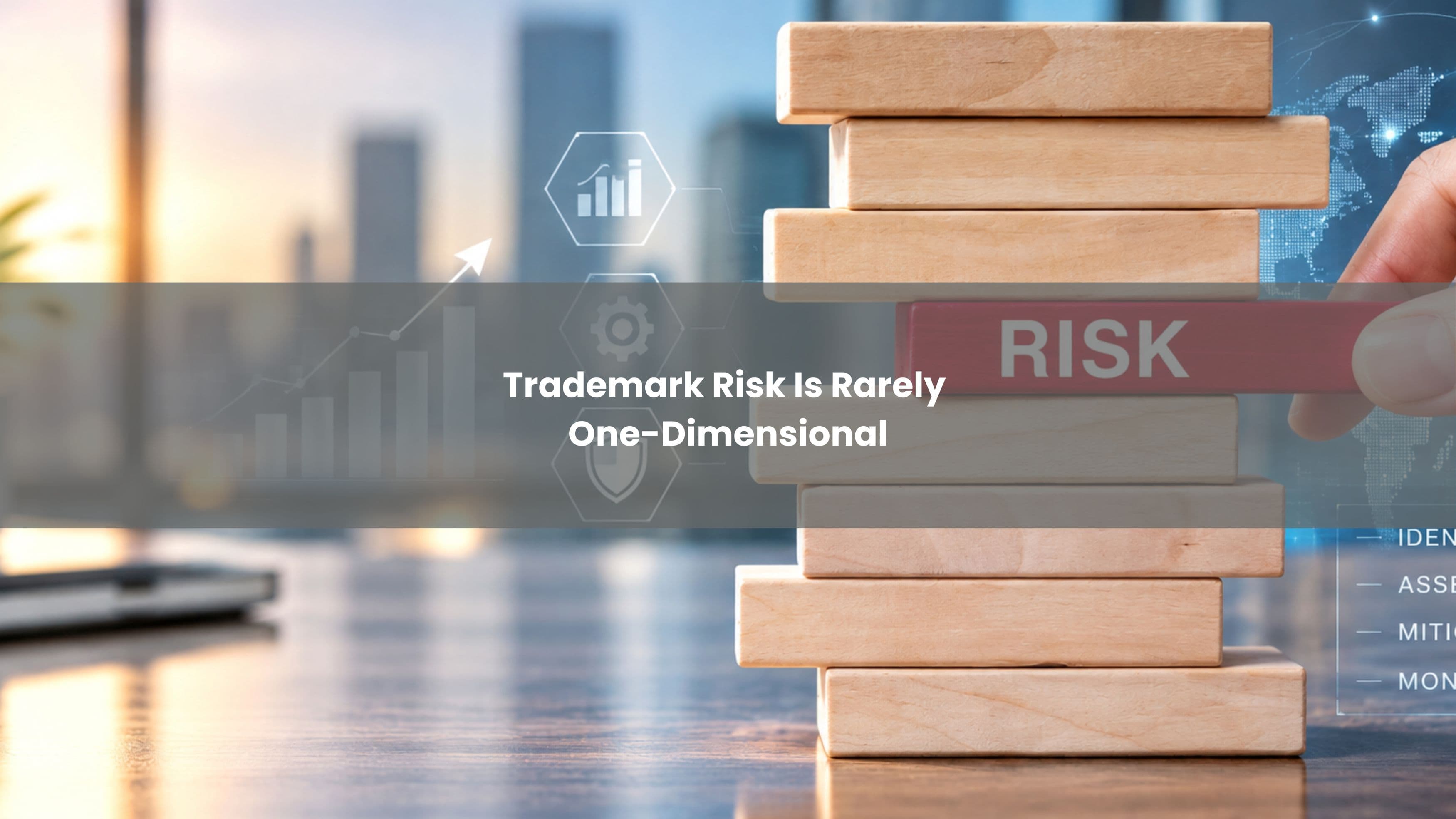
A trademark may appear unique at first glance, yet still present legal and commercial risks. Businesses often focus on whether a proposed name is already registered, overlooking other factors that could lead to conflicts with existing brands.
Effective trademark risk assessment requires more than checking identical names or logos. It involves understanding how trademarks are perceived, how businesses operate, and whether consumers might associate one brand with another.
Recognizing these interconnected factors helps businesses make informed decisions before investing in brand development.
Why Trademark Similarity Requires a Broader Perspective
Trademark similarity is not determined by a single characteristic. Two trademarks may differ visually but sound alike, communicate similar meanings, or operate in closely related markets.
Evaluating these factors individually can provide useful insights, but understanding their combined effect is equally important.
A comprehensive assessment considers how consumers encounter trademarks in everyday commercial situations rather than focusing exclusively on isolated differences.
Market Overlap and Consumer Confusion
Trademark risk extends beyond the characteristics of a name or logo.
Market overlap becomes relevant when businesses offer similar or related goods and services, target comparable customers, or operate through overlapping distribution channels.
For example, two trademarks with moderate similarities may create greater concerns when used for closely competing services.
However, operating in different industries does not automatically eliminate trademark risk. The distinctiveness and reputation of existing marks, along with applicable trademark laws, may also influence an assessment.
The Role of Trademark Conflict Analysis
A structured trademark conflict analysis examines existing trademark rights and the circumstances surrounding potentially conflicting brands.
This may include reviewing registered and relevant unregistered marks, assessing similarities, identifying related commercial activities, and considering geographical markets.
Through careful trademark clearance, businesses can identify potential obstacles before submitting applications or launching new products. A clearer view of those risks can help teams make better brand decisions before significant investment is made.
While no assessment guarantees registration or eliminates every legal risk, early research provides a stronger basis for commercial decisions.
Building a More Complete Trademark Strategy
A reliable trademark risk assessment should become part of the brand development process rather than an afterthought.
Businesses planning new identities, product launches, or international expansion benefit from examining trademark similarities alongside market conditions and existing rights.
By connecting legal considerations with broader commercial objectives, businesses can reduce avoidable disputes, make better branding decisions, and develop more defensible brand identities.
Understanding trademark risk across multiple dimensions supports a more proactive and informed approach to long-term brand protection.